
Illusion and the Real
Nine Perfect StrangersScams, hallucinations, fictional stories, and staged emergencies repeatedly test the characters’ trust in what they see and feel.
increasing Bearing strength in each event
 decreasing
Bearing strength in each eventdecreasingPaul’s Fabricated Identity

A Carefully Built Mirage
Familiar details persuade
Paul uses social-media traces, thoughtful messages, and invented knowledge of Frances’s books to appear like a trustworthy person in her extended circle.
Emotional truth within fraud
The relationship is fraudulent, yet Frances’s attachment and grief are real. The distinction between invented person and genuine feeling becomes central to her recovery.
The Near-Death Account
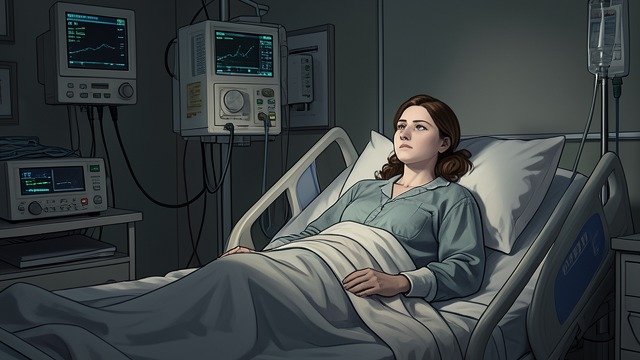
Masha’s Other Reality
A confident claim
Masha describes leaving her body during cardiac arrest and seeing another realm. She presents her interpretation as knowledge rather than uncertainty.
Different listeners
Frances remains skeptical but is emotionally intrigued; Zoe is reminded of Zach and has to leave the room. The same story produces radically different realities for its listeners.
Visions Under Drugs
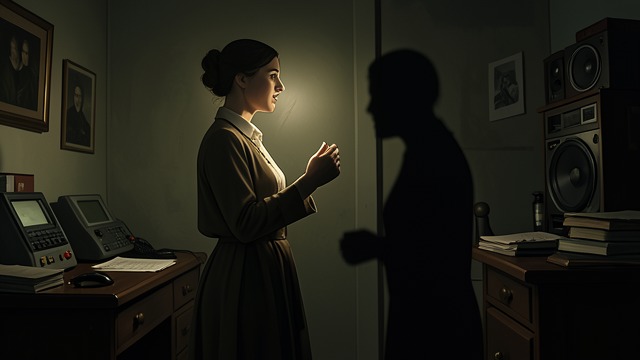
Experience Feels Certain
Personal scenes appear
The guests see remembered people, imagined futures, and symbolic images with extraordinary vividness. Frances speaks with the dead in a story-like vision; the Marconis see Zach.
Feeling is not evidence
The experiences can help surface emotion, but they cannot establish that the figures are objectively present. The narrative leaves emotional meaning intact without treating hallucination as proof.
The Fire That Wasn’t There
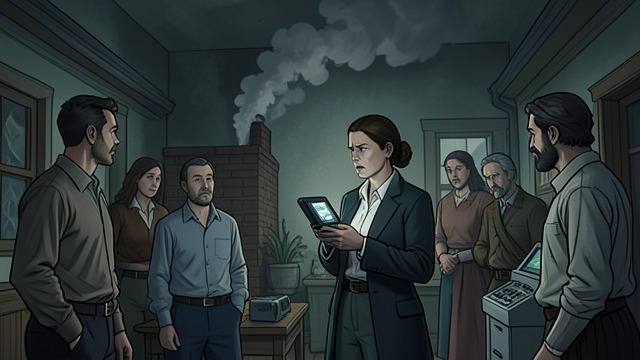
A Convincing Fabrication
Sensory evidence
Guests smell smoke and hear crashes while Masha plays a fire recording. Their bodies respond as if the house is burning.
Trust collapses
Recognizing the repeating sound reveals the manipulation, but the fear was genuine. The episode shows how an authority can use sensory certainty to control people.
Frances Writes Her Own Ending

Romance Becomes a Choice
A familiar narrative questioned
Frances recognizes her tendency to cast herself as a heroine waiting for a romantic lead. She considers how fiction can illuminate life while also encouraging a familiar script.
Reality is less tidy
She eventually marries Tony, but only after time and mutual choice. The novel’s playful happy ending remains framed by the recognition that not every life receives one.
Six months before Frances arrives at the retreat
First meditation session
During the unauthorized psychedelic session
Final night of confinement
One week after the retreat
